









The Art of ‘EDIT’: Inside TIDE’s Debut Exhibition in Hong Kong
The artist sits down with Hypebeast to discuss his creative process and the evolving relationship with his iconic cat character.


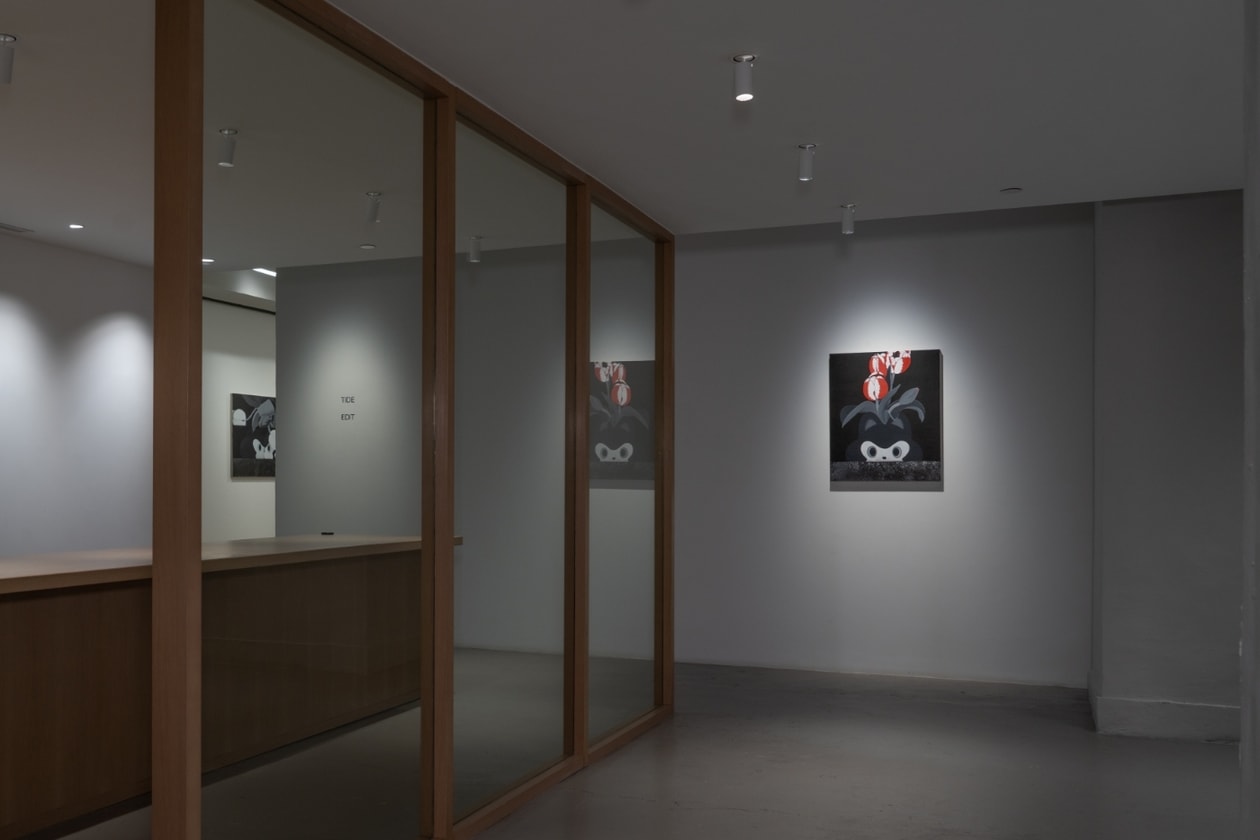
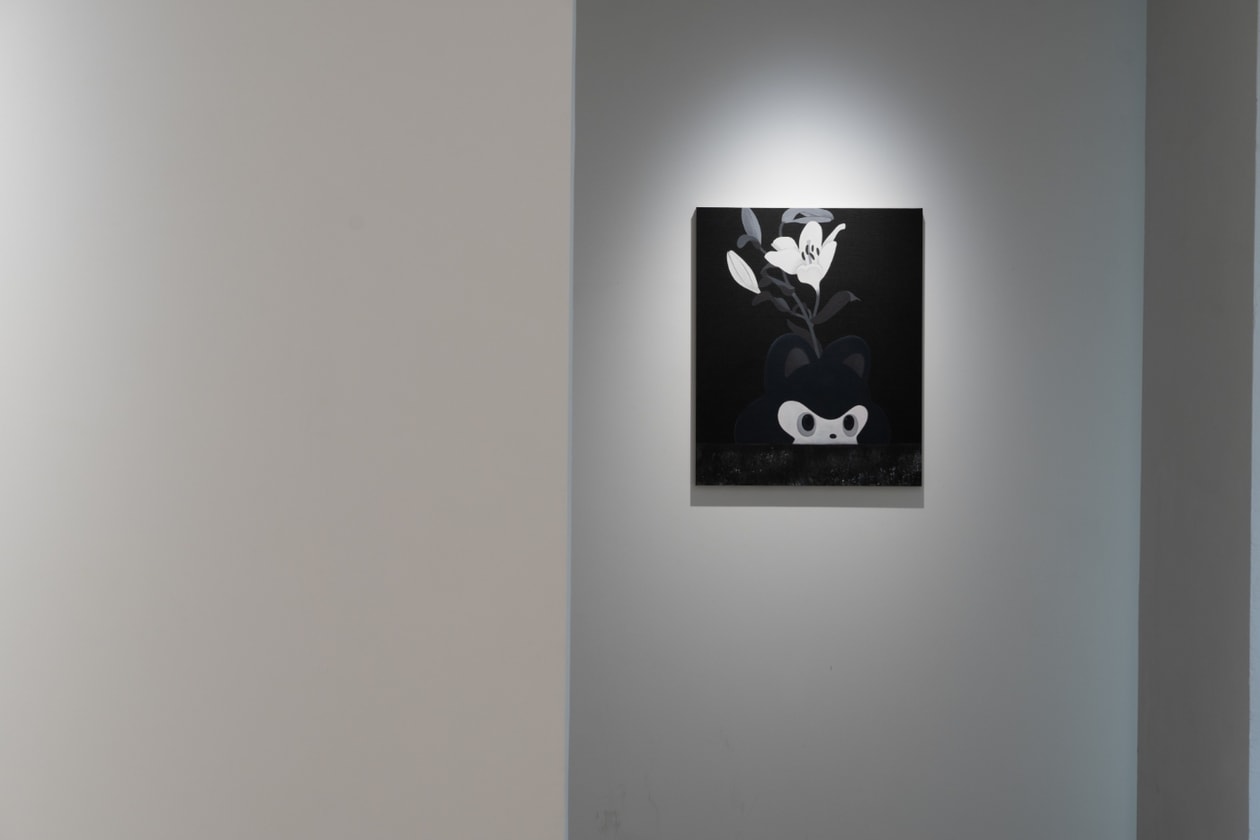
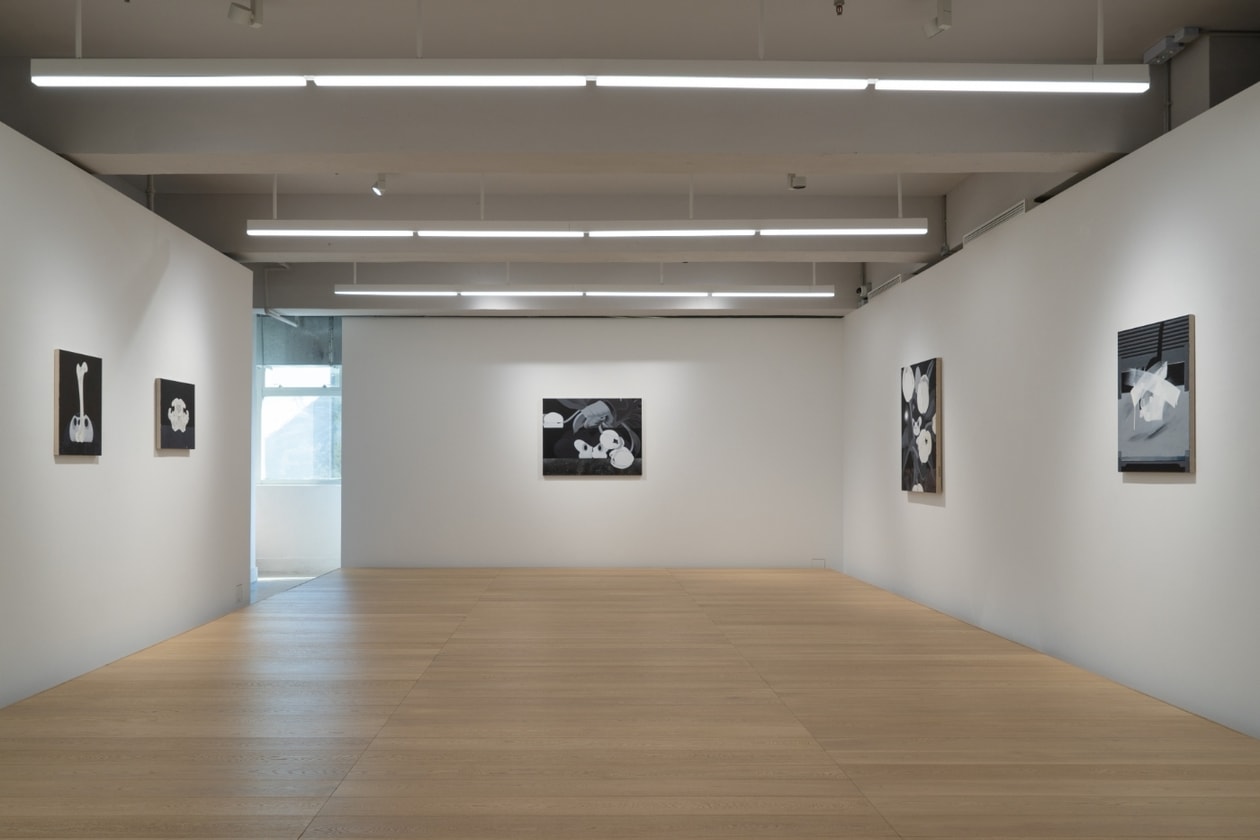
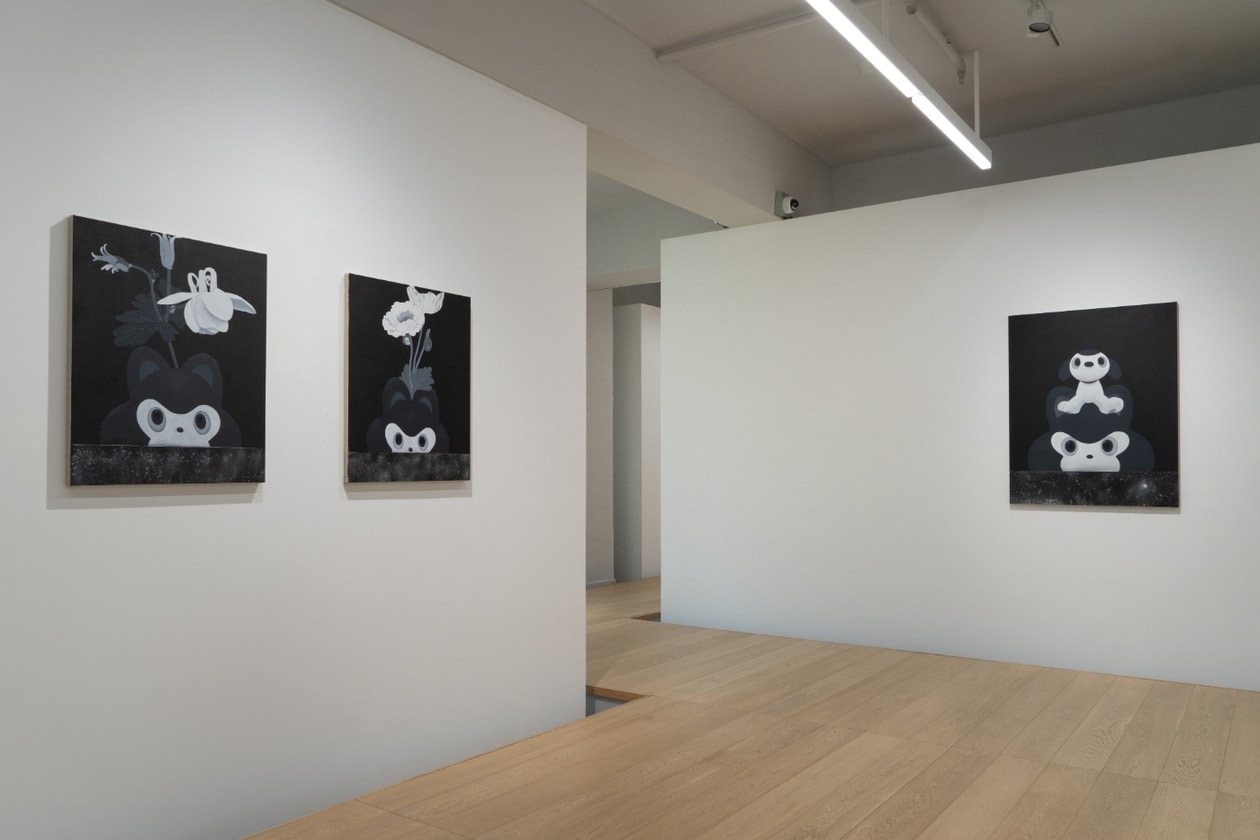
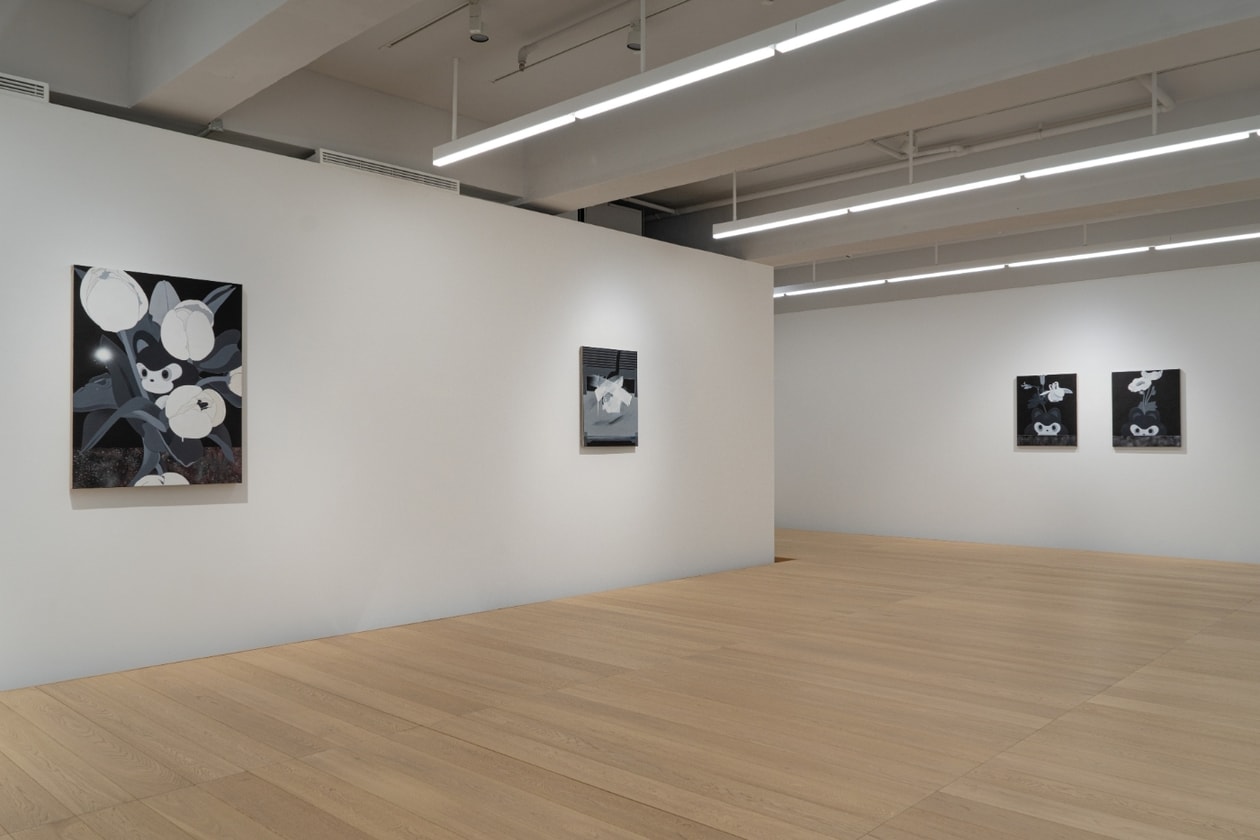
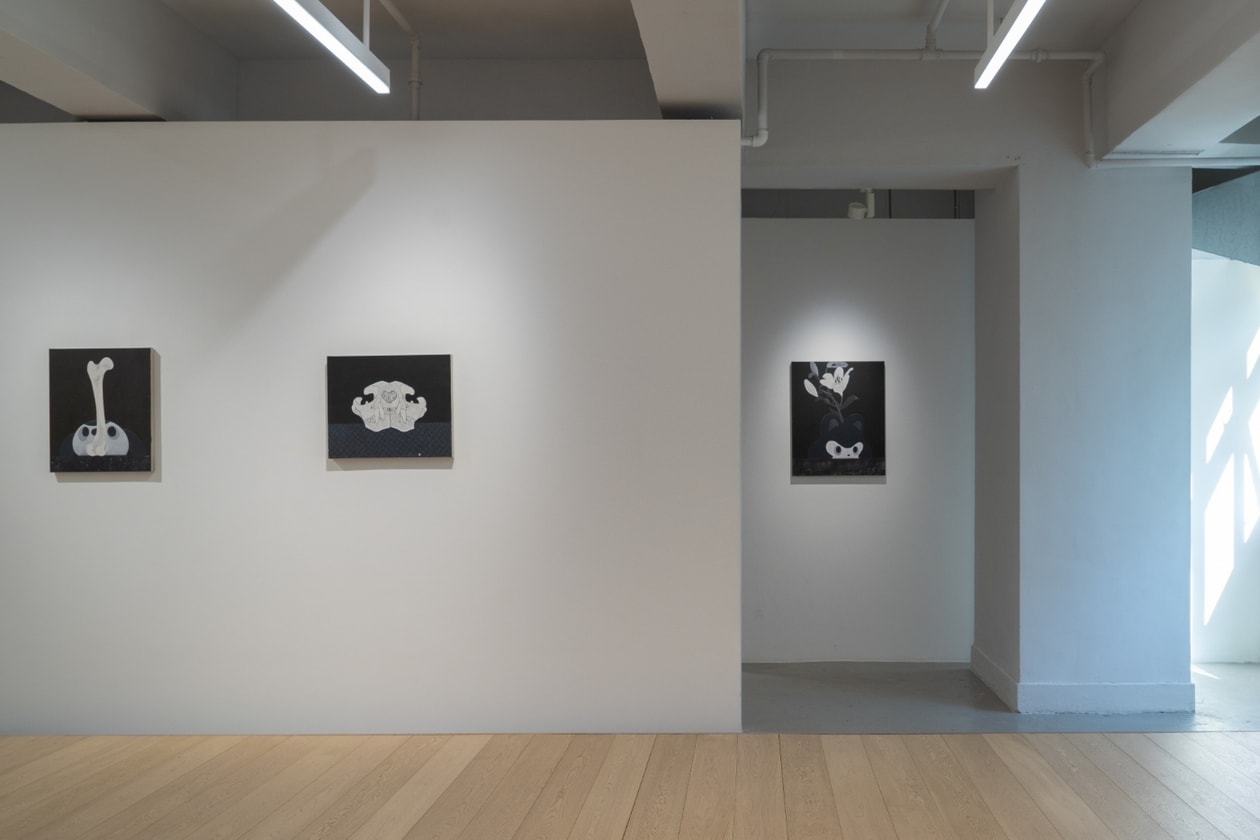
Japanese contemporary artist TIDE has officially debuted EDIT, his first solo exhibition in Hong Kong, bringing his signature monochromatic world to the city for the first time. Spanning two key creative hubs – a main showcase at WKM Gallery and an exclusive takeover of BELOWGROUND – the exhibition marks a new chapter for an artist whose round-eyed cat character has become a recognizable icon of domestic life and childhood wonder.
EDIT signals a shift in TIDE’s practice, moving toward a more deliberate process of patience and revision. By revisiting canvases over extended periods to erase and overdraw, the artist builds a “hidden history” within each piece, adding a layer of atmospheric depth to his work.
Hypebeast sat down with TIDE and William Kayne Mukai, the owner and director of WKM Gallery at BELOWGROUND, to discuss the logic behind the exhibit’s title, his evolving relationship with his iconic cat character and what EDIT means to him.
Courtesy Of The Artist And Wkm Gallery
Courtesy Of The Artist And Wkm Gallery
Courtesy Of The Artist And Wkm Gallery
Courtesy Of The Artist And Wkm Gallery
Courtesy Of The Artist And Wkm Gallery
Courtesy Of The Artist And Wkm Gallery
Hypebeast: This is your first time in Hong Kong. What made you choose this city for your debut solo exhibition?
TIDE: We were actually supposed to work together at WKM Gallery two years ago, but it got pushed back for various reasons. Finally, here we are.
William Kayne Mukai (WKM): We wanted to gather force in Hong Kong and create synergy. We all became friends organically after TIDE’s last visit and we just decided, “Let’s do it together”.
The title of the show is EDIT. Does this title reflect a new creative approach or a shift in your process?
TIDE: [Writes the word "TIDE" in all caps on a sheet of paper, then writes "EDIT" directly underneath it] It’s “TIDE” written in reverse — that was the primary reason. But it also refers to the process. I usually do base drawings and paint over them as intended, but this time, I went back and re-edited, removing and adding elements. I wanted to make more pure works by removing unnecessary elements while keeping the base.
Is it harder to know what to add or what to remove from a canvas?
TIDE: Removing elements is definitely the harder part. I like to keep everything neat and clean to create a calming effect for the viewers.
“I usually do base drawings and paint over them as intended, but this time, I went back and re-edited, removing and adding elements.”
I noticed a layer of red peaking through some of the canvases. What made you decide to opt for that color?
TIDE: Every canvas begins with a layer of base paint and this time, I went with red. It gives a different nuance to the black paint; the bright red hue helps create a brightness within the black that transpires through.
Why did you choose to leave the tulips in red, the only moments of color in the show?
TIDE: [chuckles] Because they’re tulips, that’s all. Originally, I thought of doing them in white, but I realized I didn’t want to add an element — I wanted to remove. So I ended up with a red tulip, which is the base layer.
You’re showcasing an ambitious two-meter canvas at BELOWGROUND. When working on such a large scale, does your relationship with the cat character change?
TIDE: It does. The editing process was huge for this piece. The initial draft was about 80% complete with a more slanted, angular composition, but I decided to redo it. I removed many elements and transformed others. My studio is actually quite small, which allowed me with only about an arm’s length of space between me and the canvas while I was working on it. This is the first time I can see the full painting in such a large space and it’s an incredible feeling.
“…The bright red hue helps create a brightness within the black that transpires through.”
How has your relationship with the cat evolved over the years? And what role does it play here?
TIDE: The cat often represents my own cat, my daughter, or members of my family. As everyone in my house grows older, so does my relationship with the character. In this show, I’ve made most of the body invisible to let people focus on its face and expression.
Could you highlight two pieces from the show that you are particularly fond of?
TIDE: The large painting is one, simply because of the time spent on it — erasing and rethinking the composition lasted over two months. The second is a piece at WKM featuring a cat skull. I drew it when my cat was very sick; it’s a memento mori. It reminds us to cherish the time we have together.
For the Hong Kong audience encountering your work for the first time, what three words would you use to describe the essence of your art?
TIDE: [Scribbles three Kanji characters: 塵, 光, 黒] Dust, light, black.
If visitors could take only one emotion home with them after leaving the exhibition, what would you hope it is?
TIDE: A sense of calmness.
The presentation at BELOWGROUND serves as an exclusive preview and showcase running from January 15 to 31, 2026. It features an ambitious two-meter canvas alongside a series of new paintings and special releases created specifically for the exhibition, including limited-edition prints and a bronze sculpture available for purchase exclusively at this location starting January 15.
Fans can also find limited CAT keychains in red, available only at Hypebeans. Meanwhile, the main exhibition at WKM Gallery runs from January 17 to March 7, 2026, unveiling a series of monochromatic paintings that explore evolving awareness of time and familial bonds.
BELOWGROUND
Basement, Landmark
15 Queen’s Road Central
Central, Hong Kong
Hypebeans
Shop B19A, B1/F, Landmark Atrium
15 Queen’s Road Central
Central, Hong Kong
WKM Gallery
20/F, Coda Designer Centre
62 Wong Chuk Hang Road
Wong Chuk Hang, Hong Kong


