






Across the vast landscape of artmaking since the late 20th century, artists on the West Coast have explored many thresholds and states of being — decay and seduction, struggle and release, birth and aftermath. Embracing new materials and social realities, artists turned inward, while engaging with the energies unraveling around them. The lines between interior and exterior give way. Embodiment, emotion and environment fold into one another under the same sky.
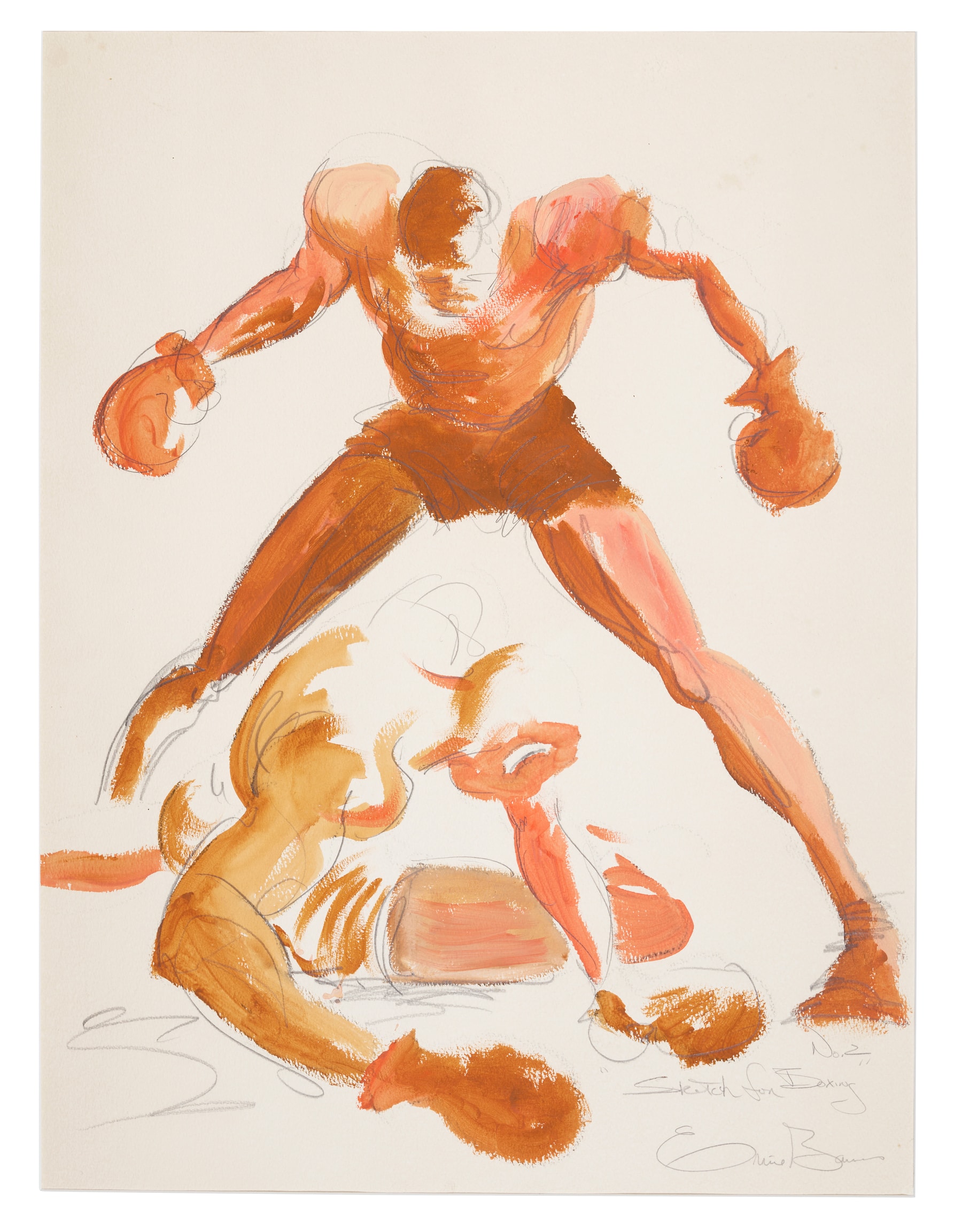
This is a careful dance best exemplified in Ernie Barnes’ Sketch for Boxing No. 2 (circa 1984). The intense and energetic composition suspends conflict at a midpoint when force gives way to a moment of mutual recognition. Rather than a rigorous struggle for power or display of brute force, the strength of each boxer emanates through their focused gaze at one another.
An ethos of permeability runs through these works. Not merely straddling the boundary between two spaces, they transcend boundaries and challenge the very existence of one at all. Implosion and explosion, then, become twin gestures in a ceaseless circulation of meaning, forever made and undone.
Read on to discover Hypeart’s top picks from Made in California and Beyond, open for bidding from February 24 to March 4.
The Interior Realm by Erin Ikeuchi
Each work in this selection makes use of internal states as a realm for play. These artists relinquish the safety of the familiar, going beyond the artistic conventions of the moment and their very own notions of artmaking.
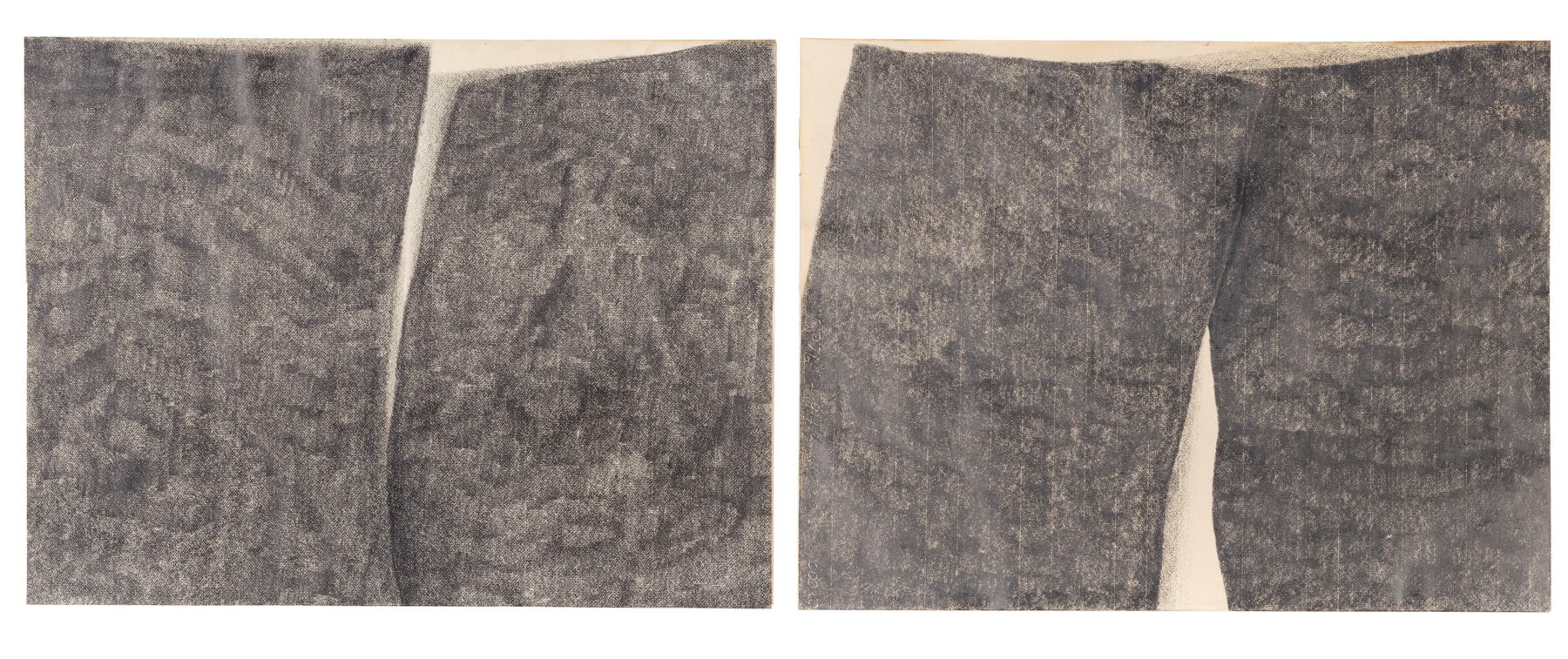
Ed Moses’ Vision Catcher X-1 (1999) plays a cheeky game between artist and audience, where meaning is only in the eye of its beholder, while light washes of color and bold lines of Ernie Barnes’ Sketch for Boxing No. 2, circa 1984 highlight the brawl as a personal reckoning of oneself and another. A pair of graphite drawings by Nancy Rubins bring a sculptural monumentality to mind, while harnessing formal kinship between both sheets and the lines within them.
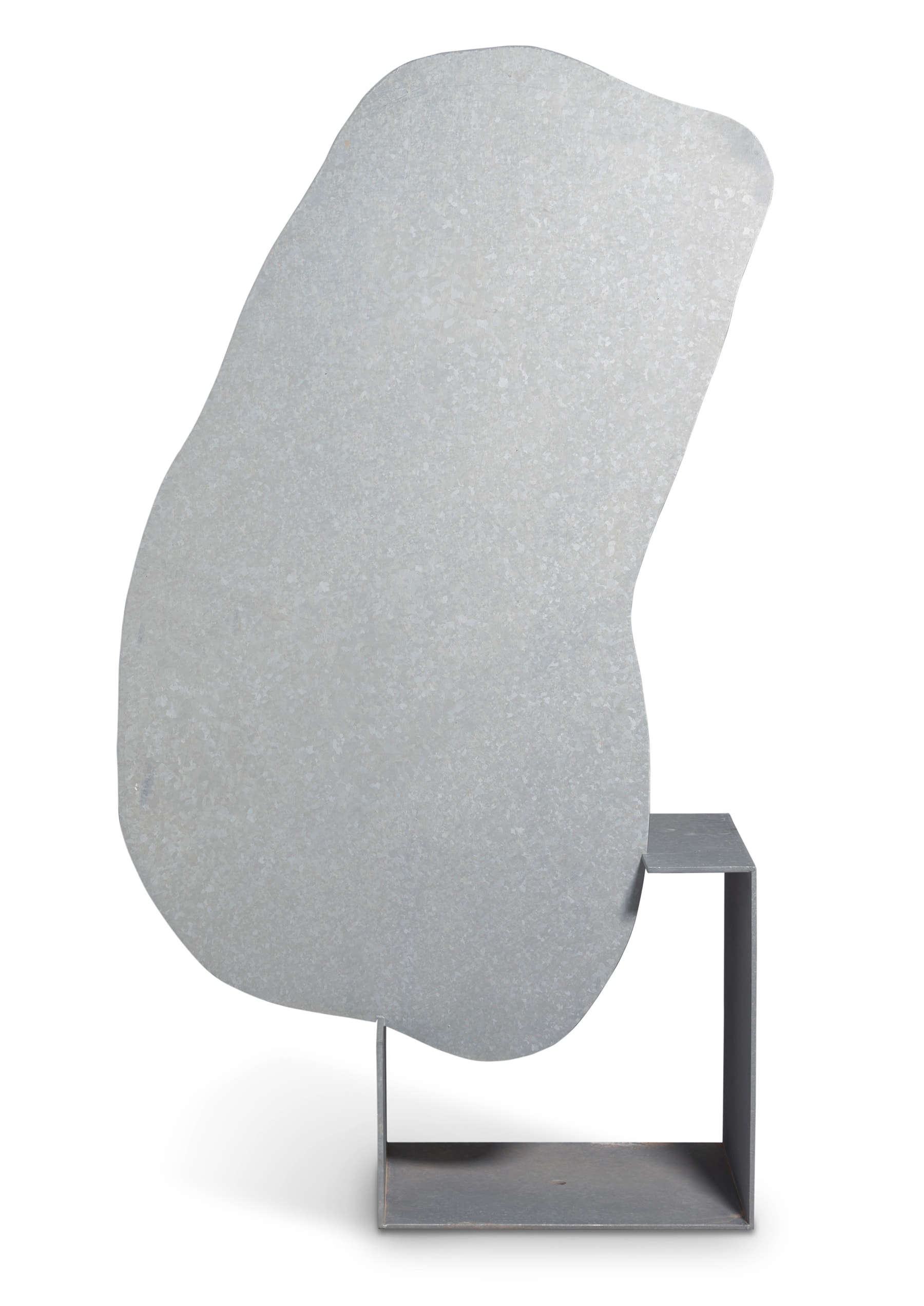
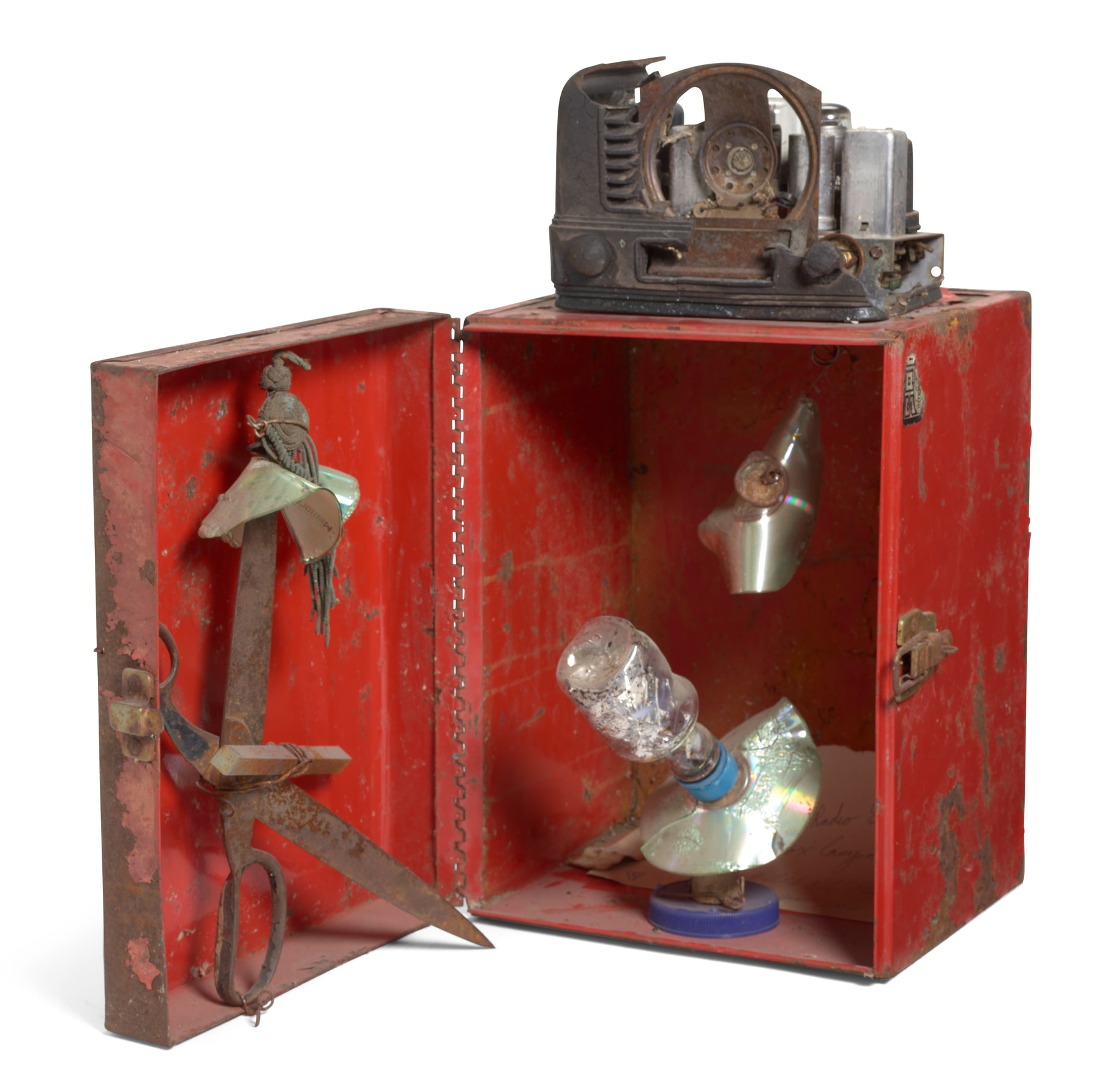
In his ode to the Belgian surrealist, Isamu Noguchi’s Magritte’s Stone (1982-83) raises even the cold, industrial character of steel to an intimate, affectionate object, possessing, as he noted, “its own entropy, its own cycle of birth and dissolution.” Finally, An Old Radio Show Box Canyon Rose… (2007) highlights George Herms’ reclamation of the mundane through his unique assemblage that channels the alchemical potential of domestic “junk”.
A turn inward is not a retreat. Together, these works illuminate the dialogue between our inner selves, our most private thoughts, and all that lies beyond them.
The Expansive Field by Keith Estiler
The following selection introduces a more open, expansive energy into the exhibition. Rather than holding form or meaning in suspension, these works emphasize movement, material and imagination as guiding forces.
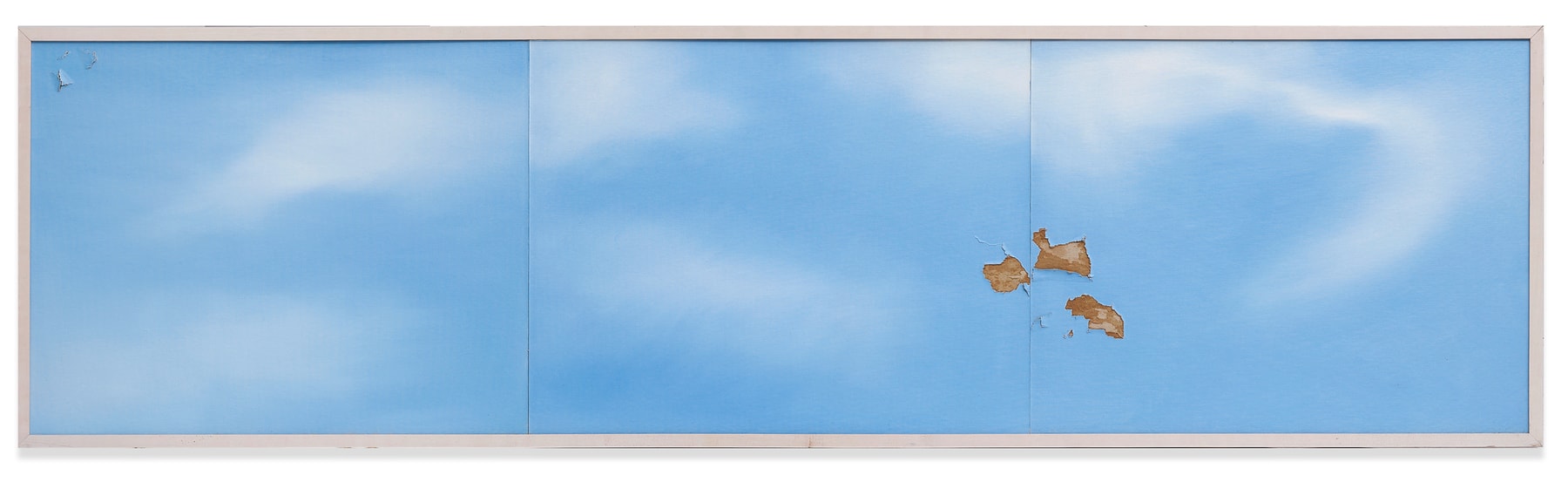
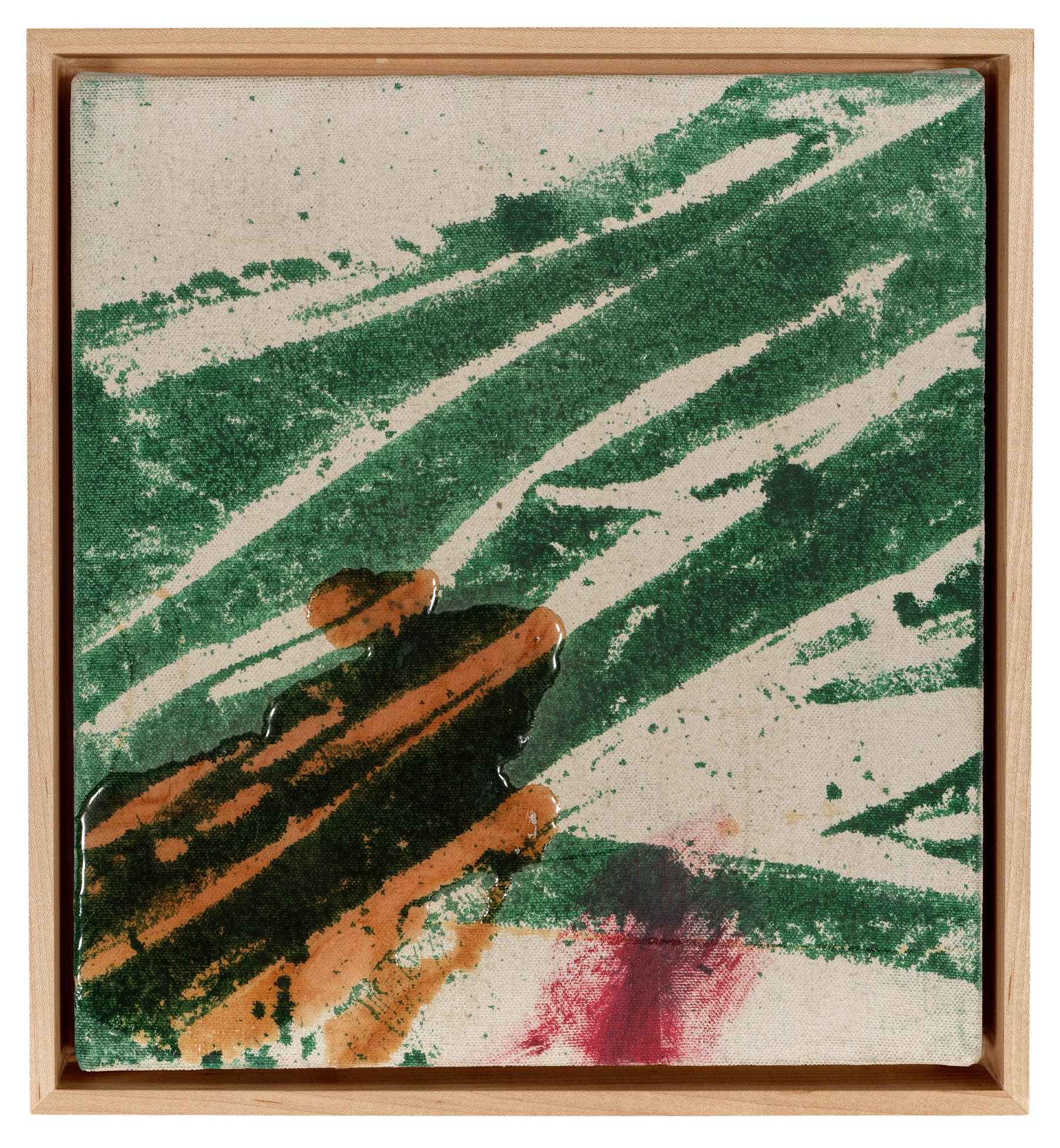
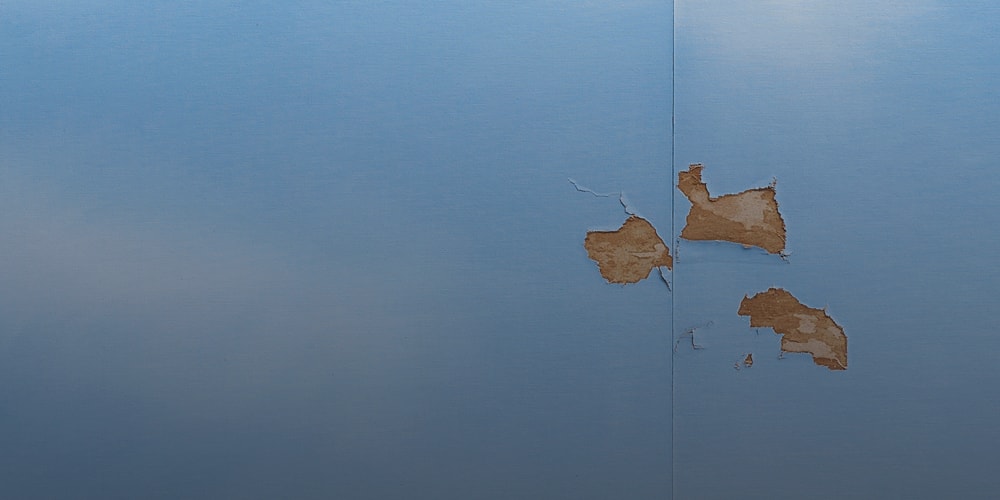
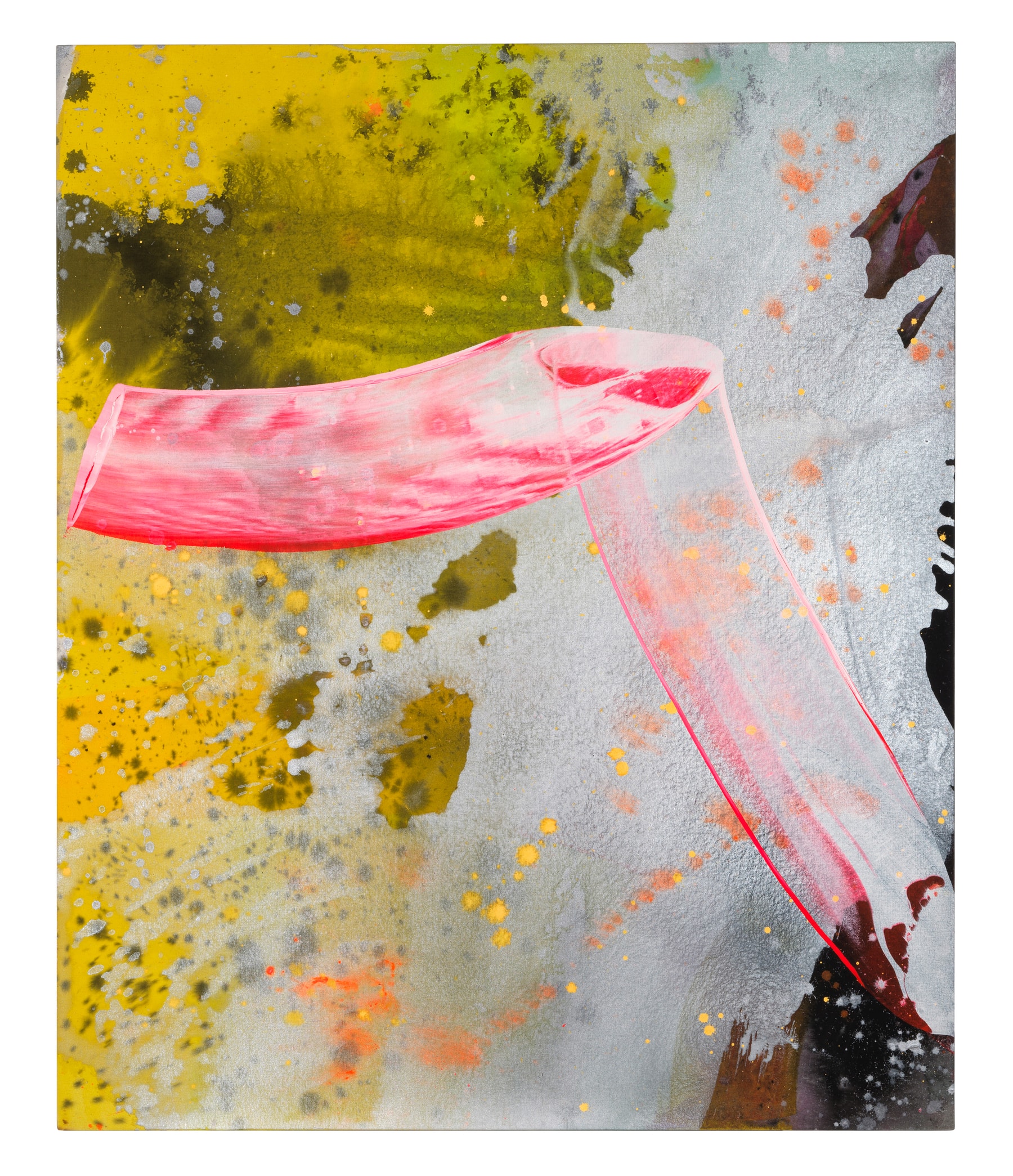
Joe Goode’s Untitled (from the Vandalism series) (1975) treats the surface as something worked over and interrupted, where meaning emerges through absence as much as presence. Moreover, Julian Schnabel’s Untitled (1995) foregrounds physical gesture and materiality, using rugged marks and a soft spill to focus on a strong emotional force.
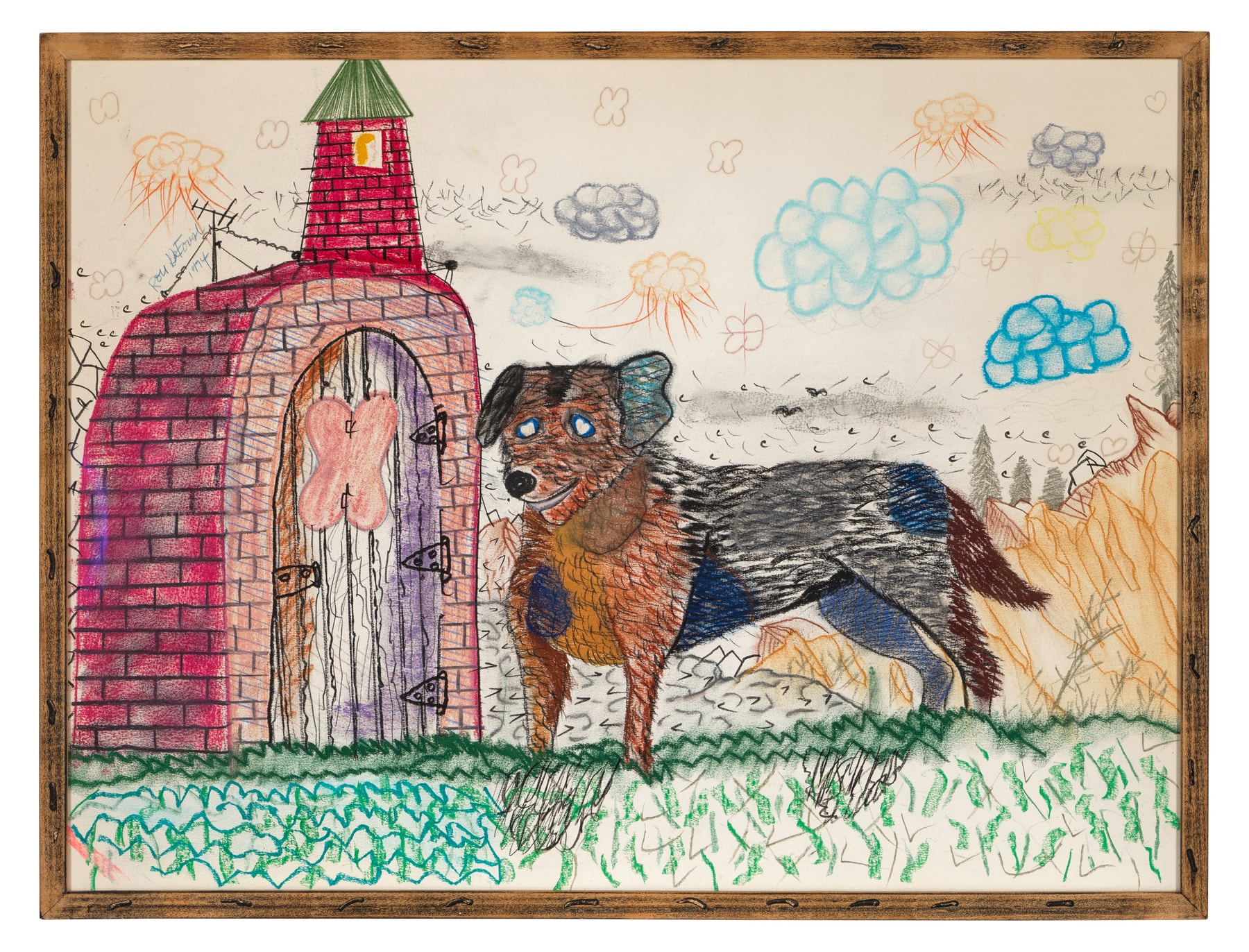
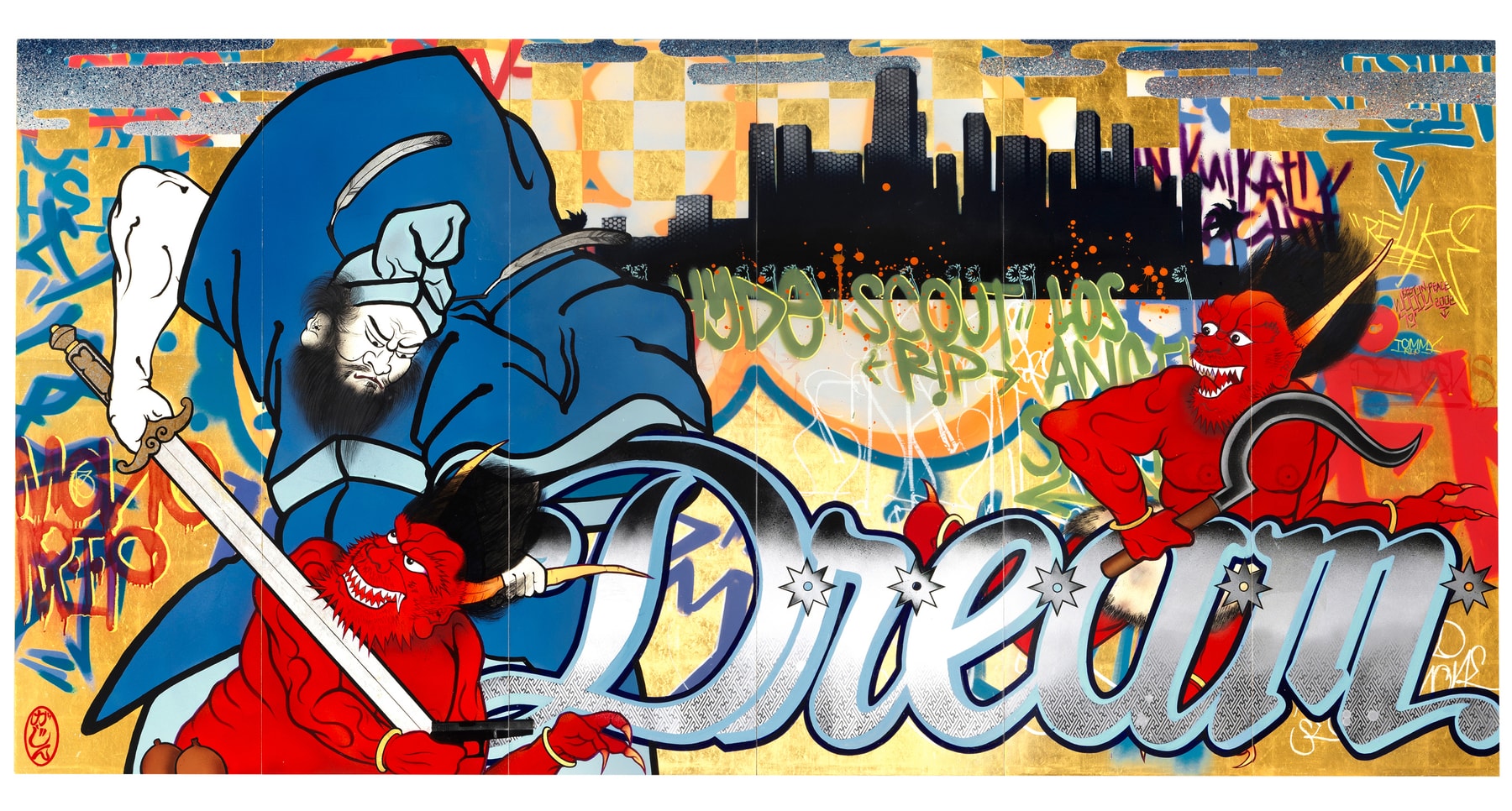
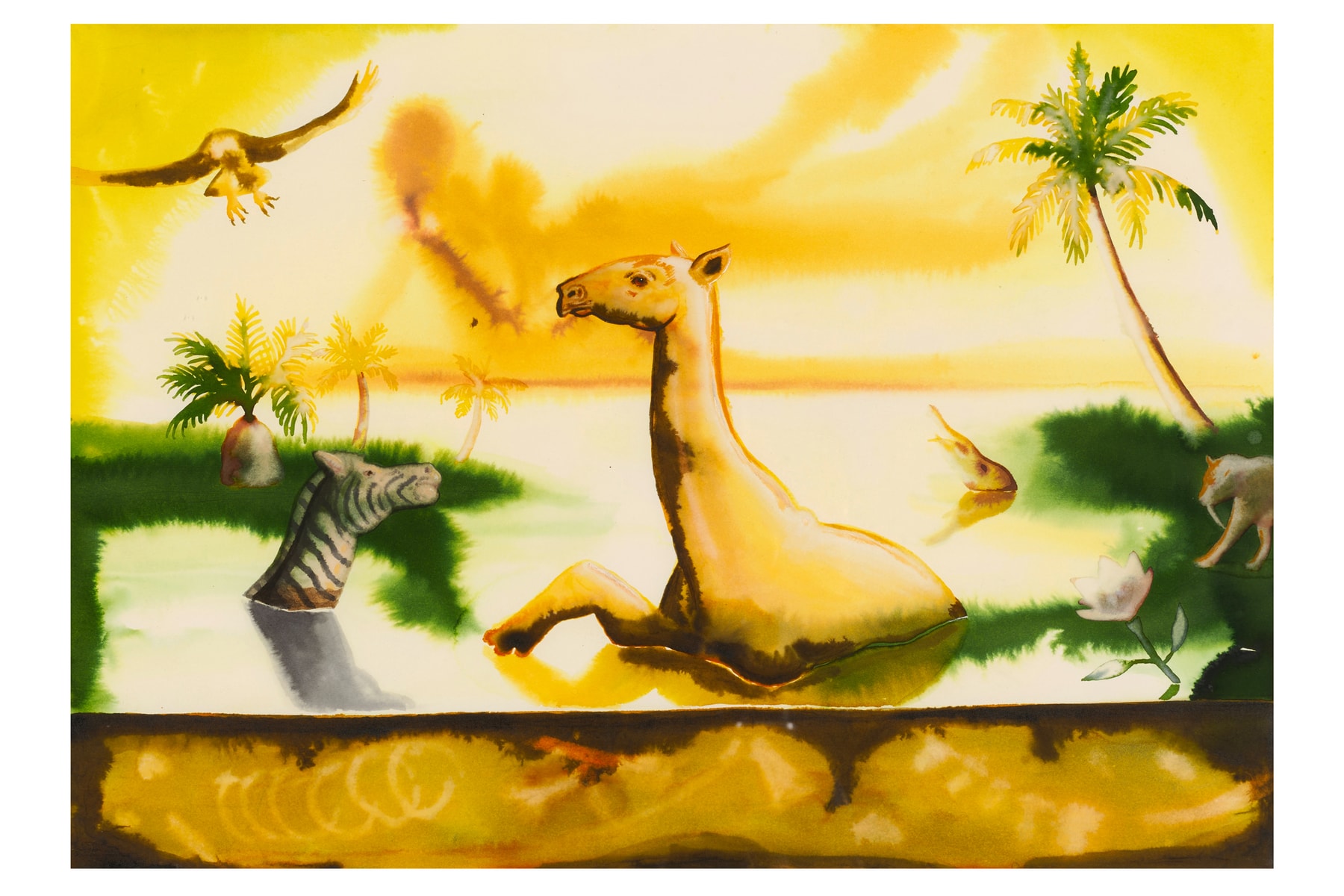
Roy De Forest’s Untitled (1974) constructs a playful, personal world in which animals and landscape blur together while Gajin Fujita’s Dream (2002) layers cultural references into a dreamlike space shaped by memory and contemporary life. Alexis Rockman’s Untitled (1993) turns outward, presenting nature as vivid and unstable in another dimension shaped by human imagination.
Together, these works represent the dynamic emotional range within the landscape of contemporary art. In dialogue with the quieter, more restrained works nearby, they reinforce the idea that interior and exterior are not fixed states but shifting, overlapping conditions.